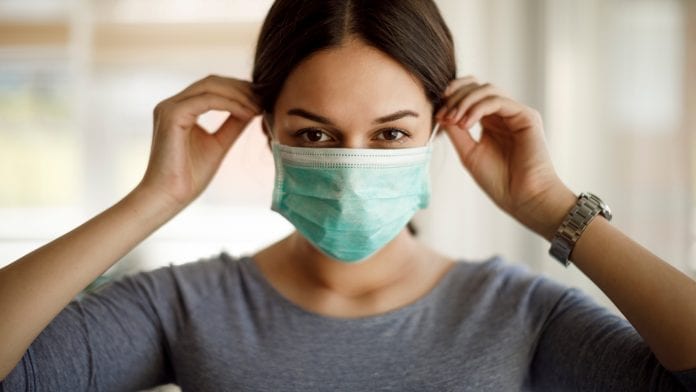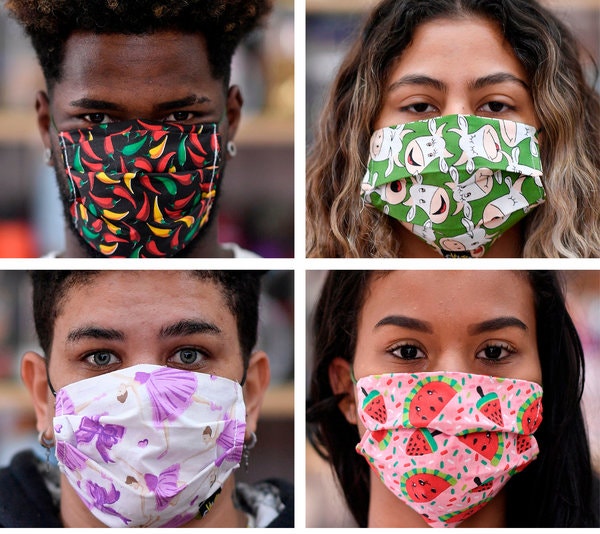
Why Do Masks Work?

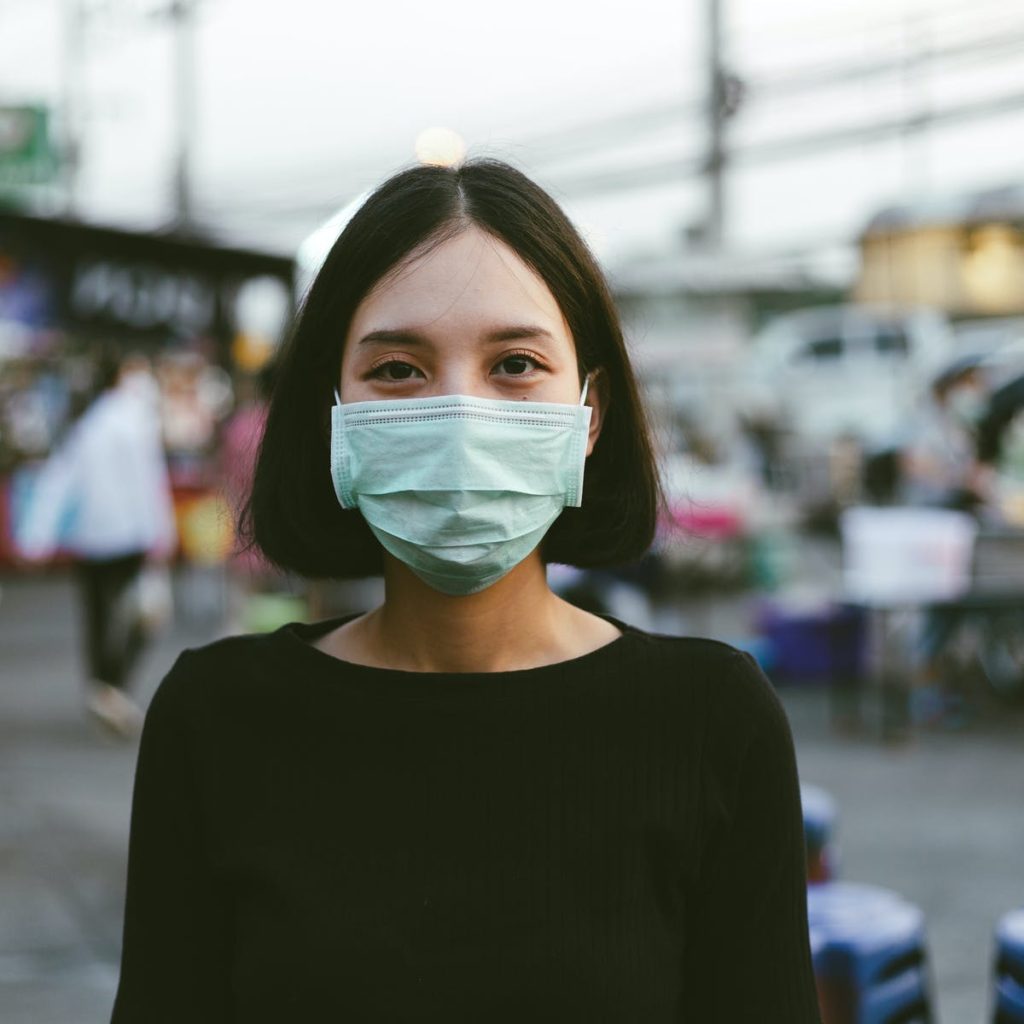
The Centers for illness control and prevention (CDC) continues to powerfully advise the carrying of face masks to stop the transmission of SARS-CoV-2, the virus that causes COVID-19.

On July 14, 2020, the CDC Director Dr. Robert Redfield stated in a press release trusted Source: “Cloth face coverings are one of the foremost powerful weapons we’ve got to slow and stop the unfold of the virus — significantly when used universally within a community setting.” While these recommendations have been met with some skepticism among the general public, scientific proof continues to show that masks actually work.

As to the explanations why the specialists say the science is kind of easy. Transmission of the coronavirus is believed to occur through respiratory droplets that are free when people speak, sneeze, or talk, according to Dr. MeiLan Han, a professor of medicine in the division of pulmonary and critical care at the University of Michigan. If these droplets land in the mouth or nose of individuals near, or are inhaled into the lungs, a person will contract the virus.
Masks 2

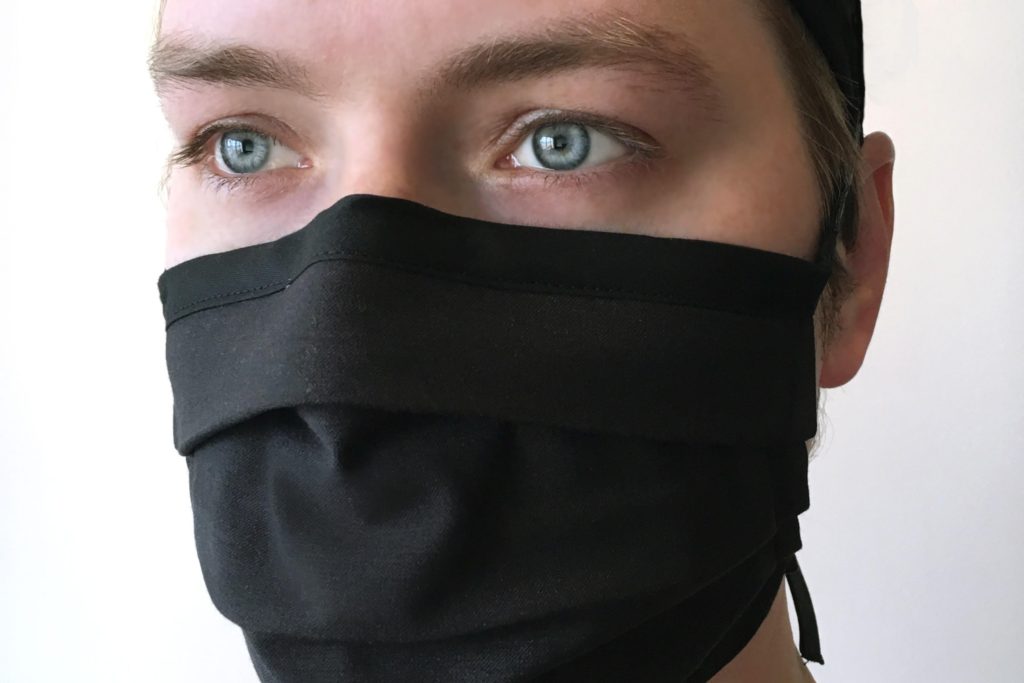
Masks produce a physical barrier that catches these droplets and prevents them from spreading as far into the encircling air as they normally would. Han stated the masks become even more vital because a significant proportion of people who get COVID-19 either don’t exhibit symptoms or there’s a delay before symptoms show up. Studies show, however, that these people will still transmit the virus to people around them.

The data suggest that the use of face coverings will help limit the spread of the illness by these asymptomatic and presymptomatic people, said Han. In the July 14, 2020 issue of the Journal of the American Medical Association (JAMA), the authors of an article said that “the time is now” for universal mask-wearing. In support of their opinion, they pointed to 2 case studies that were revealed that very same day.

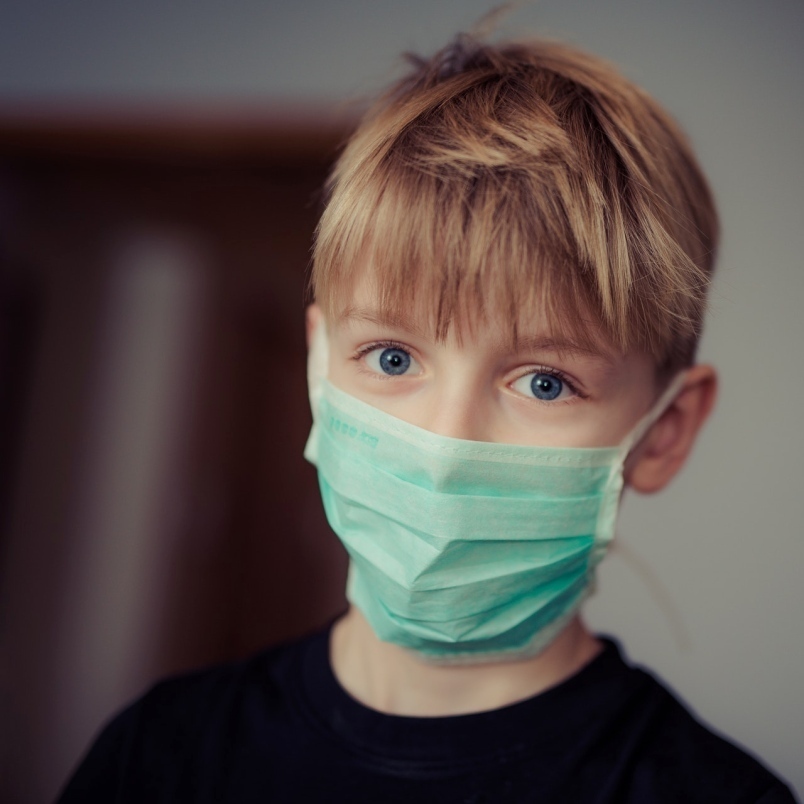
The first study trusted source showed that a universal mask-wearing policy in a Boston hospital system reduced the transmission of SARS-CoV-2. Prior to the institution of the mask policy, new cases among care workers who had either direct or indirect patient contact were increasing exponentially.
Masks 3

After the policy placed into place, however, the proportion of symptomatic care staff who tested positive for COVID-19 “steadily declined,” per the report.

The editorial additionally spoke about a report in the CDC’s Morbidity and Mortality Weekly Report (MMWR) which showed that wearing a mask looked as if it would prevent 2 Missouri hairstylists from spreading the disease to their customers. Both stylists had continued to see customers for many days after developing symptoms however wore face masks as per local government ordinance. Ninety-eight percent of their customers wore masks in addition.

Of the 139 customers that the stylists saw before being diagnosed, none developed COVID-19 symptoms throughout the follow-up period. None of their secondary contacts developed symptoms either. In addition, of the 67 shoppers who agreed to be tested, none were positive for the virus.
Masks 4

United States paid $1 Billion for 100 Million Doses of Johnson & Johnson’s COVID-19 Vaccine Candidate

The U.S. Government pays Johnson & Johnson (JNJ.N) over $1 billion for 100 million doses of its potential coronavirus vaccine, because it stocks up on vaccine and drugs in a shot to tame the pandemic.

The latest contract is priced at roughly $10 per vaccine dose created by J&J, or around $14.50 per dose, as well as a previous $456 million the U.S. Government secure to J&J for vaccine development in March. That compares with the $19.50 per dose that the U.S. Is paying for the vaccine being developed by Pfizer INC (PFE.N) and German biotech BioNTech SE (22UAy.F).

US Covid

J&J is finding out both one and two-dose regimens of its vaccine. Pfizer and BioNTech’s candidate would require 2 doses per person treated. The producer stated that it might deliver the vaccine to the biomedical Advanced analysis and Development Authority (BARDA) on a not-for-profit basis to be used once approval or emergency use authorization by the U.S. Food and Drug Administration (FDA).

US Vaccines Covid 2

The U.S. Government can also purchase an extra 200 million doses underneath a subsequent agreement. J&J did not disclose that deal’s worth.

The race for vaccines and treatments for the already infamous COVID-19 started, the U.S. has been signing deals already to buy them through its Operation Warp Speed program. All the other producers who have signed deals include Sanofi SA (SASY.PA) and Regeneron INC. REGN.N This is J&J’s 1st deal to provide its investigational vaccine to a country. Talks are underway with the European Union, however, no deal has yet been reached.

J&J’s investigational vaccine is presently being tested on healthy volunteers within the U.S. And Belgium in an early-stage study. There are presently no approved vaccines for COVID-19. Over twenty are in clinical trials.

US Vaccines Covid

The Probability of Getting COVID-19 Twice Is Very Low

A recent spate of reports and studies suggest that antibodies made when having COVID-19 might not last long — maybe from a couple of months to simply a few weeks. This raises concerns regarding our ability to build immunity to COVID-19, at least by natural means, yet as heightening concerns regarding the potential for reinfection.

“The results require caution concerning antibody-based ‘immunity passports,’ herd immunity, and perhaps vaccine sturdiness,” a recent correspondence within the New England Journal of Medicine stated, though the column noted the further study is required. But antibodies aren’t the be-all and end-all of conferred immunity, specialists say. And it’s still early days within the study of SARS-CoV-2, the coronavirus that causes COVID-19.

Face Mask 1

“Existing antibody research shows that the strength of the immune response correlates to the severity of the symptoms. The sickest individuals tend to have more antibodies circulating in the bloodstream compared to those with mild or no symptoms,” said Chris DiPasquale, director of assay development at Babson Diagnostics, a Texas company doing COVID-19 serology (antibody) tests.

In terms of developing a strong COVID-19 vaccine, the way our bodies’ natural immune systems react might not have as strong a bearing on vaccine effectiveness as common sense dictates.

One common theme with existing COVID-19 research is that we still don’t have enough time or data to effectively and thoroughly understand the disease.

One thing that fading antibodies might indicate, however, is the need for a series of shots and perhaps regular “re-ups” of vaccination once one is available.

Covid Virus

Even with evidence of fading antibodies, reinfection with SARS-CoV-2 is unlikely because of what we generally know about immune reaction to viruses, researchers say.

For most, it’s simply that the pathology of this virus isn’t well understood. What might seem like reinfection could simply be longer-term effects of the virus, or reemergence of viral propagation inside someone who feels better but never fully cleared the effective virus from their system.

A person’s immune system involves a complex array of interrelated cell actions, productions, and associated responses to defeat a disease.

When a body encounters a virus, B cells, aided by “helper” T cells, create neutralizing antibodies that attack and destroy future instances of the virus before a person gets sick.

These antibodies are among the easiest to detect and thus have been the most commonly reported measure of COVID-19 immunity.

Covid Tests

But two types of T cells, which are harder to measure, also play an important role in determining immunity and aren’t always perfectly correlated to antibody levels.

One preprint study from researchers at Strasbourg University Hospitals in France, for instance, found T cell responses in people with COVID-19 even when antibody tests came up negative.

Finally, a further study in the journal Nature found antiviral responses that go beyond these immune cells altogether.

Covid Research

Recent Tests Even Closer To The Diagnosis of Alzheimer’s Disease

For many years, the diagnosis of Alzheimer’s has been based on the characterization of amyloid plaques and tau tangles within the brain, usually when someone dies. A cheap and widely available blood test for the presence of plaques and tangles would have a profound impact on Alzheimer’s analysis and care. According to the new study, measurements of phosphor-tau217 (p-tau217), one of the tau proteins found in tangles, could give a relatively sensitive and accurate indicator of both plaques and tangles — corresponding to the diagnosis of Alzheimer’s — in living individuals.

Alzheimer Example 2

“The p-tau217 blood test has nice promise within the diagnosis, early detection, and study of Alzheimer’s,” aforesaid Oskar Hansson, MD, Ph.D., professor of Clinical Memory research at Lund University, Sweden, who leads the Swedish BioFINDER Study and senior author on the study who spearheaded the international cooperative effort. Researchers evaluated a brand new p-tau217 blood test in 1,402 cognitively impaired and intact analysis participants from well-known studies in Arizona, Sweden, and the Republic of Colombia. The study, which was coordinated from Lund University in Sweden, enclosed 81 Arizona participants in Banner Sun Health Research Institute’s Brain Donation program who had clinical assessments and provided blood samples in their final life years and then had neuropathological assessments after they died.

In the Arizona BSHRI Brain Donation Cohort, the plasma p-tau217 assay discriminated between Arizona Brain donors with and without the following neuropathological diagnosis of “intermediate or high probability Alzheimer’s” the percentage is about 89% Accuracy; it distinguished between those with and without a diagnosis of “high chance Alzheimer’s” with 98% Accuracy, and higher ptau217 measurements were correlated with higher brain tangle counts only in those persons who also had amyloid plaques.

Alzheimer Example

As the research shows, persons with the clinical diagnoses of Alzheimer’s and different neurodegenerative diseases with 96% Accuracy, like tau PET scans and CSF biomarkers and better than many other blood tests and MRI measurements; and it distinguished between those with and while not an abnormal tau PET scan with 93% Accuracy.

There’s way more to do than anticipated, their impact in each the research and clinical setting can become readily apparent within the next 2 years.” Alzheimer’s may be a debilitating and incurable illness that affects an estimated 5.8 million Americans age 65 and older. Without the invention of successful prevention therapies, the number of U.S. Cases is projected to achieve nearly 14 million by 2050.

Normal Vs Alzheimer Affected Brain

Less Sleep Means Less Positive Emotions

A study investigated the consequences of going to bed two hours later than normal however getting up at the same old time. It found that individuals not only became a lot more impulsive and vulnerable to mistakes the subsequent day but also experienced a flattening of normally pleasurable feelings. Missing out on a good night’s sleep could be a well-known reason for cognitive and emotional issues and making individuals more accident-prone the following day.

Over longer periods, sleep deprivation is related to worse mental and physical health. The National Sleep Foundation in the united states recommends that teenagers get 8–10 hours of sleep a night and that adults below 65 years old get 7–9 hours. However, nearly one-third of adults who responded to the 2012 National Health Interview Survey rumored that they slept below 6 hours a night.

Not Enough Sleep 1

Most analysis into the cognitive and emotional effects of sleep deprivation involves volunteers spending many nights within the unfamiliar surroundings of a sleep laboratory.

Psychologists in Norway needed to research the effects under more natural circumstances, whereas individuals were at home and sleeping in their own beds.

They discovered that less sleep led the participants to feel worse the following day, however not in the sense of feeling down or depressed. Rather, they experienced fewer positive emotions.

Not Enough Sleep 2

The psychologists say that their findings indicate that staying up late on work or college nights may impair people’s ability to manage stress and negative life events.

“We already apprehend that fewer positive emotions have a significant impact on mental health,” says Saksvik-Lehouillier. “We additionally know that poor sleep is included in just about all psychological state diagnoses.” After getting less sleep than normal, study participants additionally behaved more impulsively and were more liable to make mistakes on a typical test.

Not Enough Sleep 3

Is The Human Brain The Most Efficient Brain?

Brain scans of over 100 mammalian species, together with humans, reveal that the efficiency of data transfer within the brain is the same in all mammals, regardless of size. The mammalian brain consists of 2 sides, or hemispheres, which nerve tracts, additionally known as axons, connect. The 2 hemispheres share data along these axons.

How quickly data spread in the brain depends on the number of synapses — the junctions between nerve cells — it has to pass through. An ideal system would have a multitude of long connections to allow the fast transfer of data between all elements of the brain. However, producing this many neuronal connections comes at a price to the animal. The development of the brain, consequently, outlines a compromise.

People usually believe that human beings, because of our advanced evolution, have higher levels of brain connectivity than different animals, enabling the more efficient and fast transfer of data throughout the brain.

Human Brain 2

A brand new analysis that researchers from Tel Aviv University in Israel led challenges this assumption. They scanned the brains of over 120 completely different mammals and found that brain connectivity is neither higher in humans nor dependent on the dimensions of the brain. The idea that brain connectivity — and, therefore, potency — is bigger within the human brain has been around for a long time.

To test this assumption, Prof. Assaf and his team used a kind of brain scan referred to as diffusion MRI to scan the brains of 123 completely different species of mammal, as well as humans. It was the first time that researchers had placed the majority of those animals’ brains within an MRI scanner. The animals within the study included rodents, monkeys, and even dolphins. The brain volumes of the species ranged from 0.1 milliliters (ml) to over 1,000 ml.

Human Brain Synapse

The researchers additionally scanned the brains of 32 individuals. They used a scanning program to reconstruct the neural network of every species, as well as the neurons that transfer data and therefore the synapses wherever they meet. To estimate the brain connectivity of every species, the researchers applied a mathematical approach based on the number of synapses that data must cross to get from 2 points within the brain.

The team derived a price known as the mean-short path, or MSP, that indicates the minimum range of connections that data has to pass to get between 2 elements of the network. A high MSP indicates low brain connectivity. Comparing these values among species, the researchers found that brain property is independent of the dimensions and structure of a mammal’s brain.

Mammal Brain

How High Is The Death Toll From Alcohol Abuse?

Excessive alcohol use is responsible for 93,000 deaths and 2.7 million years of potential life lost each year within the united states.

A total of 255 Americans die each day on average from excessive drinking, shortening their lives by an average of 29 years and researchers used the Alcohol-Related illness Impact, over half these deaths were due to health effects from drinking too much over time, the short-term health effects from consuming an outsized amount of alcohol in an exceedingly short amount of time accounted for all the lost lives.

Long-term effects of excessive drinking resulting in death included various sorts of cancer, liver disease, and a heart condition.

Alcohol Death Toll 2

The short-term effects enclosed deaths due to suicide, car accidents, and poisonings involving another substance added to alcohol.

“Many people have always turned to alcohol as the simplest way of relieving stress,” was stated, a family medicine physician with Orlando Health Physician Associates in Florida.

“With the pandemic happening, it’s only natural that a lot of people are experiencing more stressors than usual,” he told Healthline.

Alcohol Death Toll 3 1

“People have issues about the virus itself, as in, what would happen if they or a loved one would happen to catch the virus, and would they be the type that contracts it and doesn’t have any symptoms, or would they be the type that might have a severe response to the virus?” he stated.

Aside from the viral implications, folks are also stressed about the ripple effects from the virus, says Sontag.

Alcohol Death Toll 5

How Close Are We To The COVID-19 Cure?

What work is being done to seek out treatments? More than 150 different drugs are being researched in several countries. Most are existing medicine that is being trialed against the virus.

The UK is running the world’s largest clinical test, known as Recovery, with over 12,000 patients participating – it’s one among the few trials to have given a definitive view on which medicine do and do not work The World Health Organization (WHO) is running the solidarity trial to assess promising treatments in countries around the world Multiple pharmaceutical corporations are running trials of their own medicine There are 3 broad approaches being investigated: Antiviral medication that directly have an effect on the coronavirus’s ability to thrive within the body Drugs that calm the system Severe Covid-19 is caused by patients’ immune systems overreacting and damaging the body.

Cure Statistics

Antibodies that will target the virus, taken from either survivors’ blood or created in a research lab It is attainable that completely different drugs can work better at different stages – similar to anti-virals at the start and immune drugs in late-stage diseases. Combos of therapies also will be investigated.

The only life-saving drug Of all the medication being trialed, only 1 has been proven to save lots of lives – dexamethasone – and it’s a major breakthrough within the fight against coronavirus.
The UK’s Recovery trial showed the drug cut the chance of death by a 3rd for patients on ventilators and by a fifth for those on Oxygen.

Coronavirus drugs 2

Dexamethasone is a steroid that calms down inflammation (part of the immune response) within the body.

Crucially it’s also low-cost which implies it could be used all around the world.

However, the drug doesn’t work on people with milder symptoms.

What alternative drugs look promising? Remdesivir is an antiviral agent that was originally developed to treat Ebola fever.

Clinical trials of over 1,000 individuals found it cut the period of symptoms from 15 days to 11. It’s not been shown to save lives, though studies are still continuing.

However, the United States has bought the majority of the supplies, with the manufacturer Gilead additionally donating some to South Korea.

Coronavirus drugs 4

Interferon-beta could be a protein that the body usually makes to dampen down inflammation. It’s used as a treatment for multiple sclerosis.

The UK company Synairgen is delivering the drug on to Covid-19 patients’ lungs employing a nebulizer.

Initial findings recommend the treatment cut the chances of a patient in hospital developing severe disease, however, larger clinical trials are currently required.

Coronavirus drugs

Does Sugar Make Kids Hyperactive?

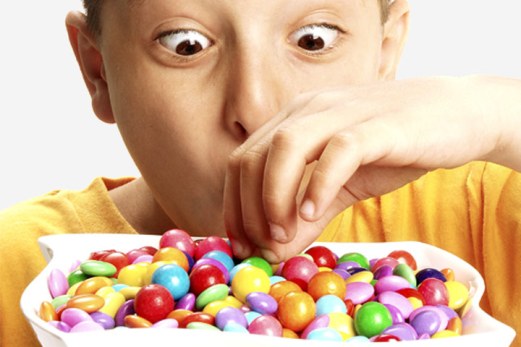
When kids delight in sugary foods, they turn wild and bounce off every available surface. This is, as most parents will attest, a fact. During this Special Feature, we ask whether or not this general knowledge holds up to scientific scrutiny.

You are at a party, and there are around 20 kids, aged 3–6. The noise is deafening and also the candy bowls are empty. Screams of joy fill the air as parents marvel at their offspring’s sugar-induced bedlam.

Sugar

But what does the science say? Will sugar increase the chance of hyperactivity in children? Perhaps surprisingly, the data says “probably not.” This will return as a surprise to anyone who has attended a gathering of kids where sweet treats are available, therefore let’s dive into the proof or lack thereof.

The question of whether or not sugar influences children’s behavior began to generate interest within the 1990s and a flurry of studies ensued. In 1995, JAMA published a meta-analysis that raked through the findings of 23 experiments across 16 scientific papers.

The authors solely included studies that had used a placebo and were blinded, which suggests that the kids, parents, and teachers involved did not know who had received the sugar and who had been given the placebo.

Kid Eating Candy

Some parents believe that their kid is particularly sensitive to sugar. To check whether or not this might be the case, one group of researchers compared 2 teams of children:

25 “normal” kids aged 3–5

23 kids, aged 6–10, whose parents represented them as being sensitive to sugar

Each family followed 3 experimental diets in turn and each for three weeks. The diets were:

High in sucrose, with no artificial sweeteners

Low in sucrose, however with aspartame as a sweetener

Low in sucrose, however with saccharin — a placebo — as a sweetener

The study included aspartame because the authors justify, because it, too, has been “considered a possible reason for hyperactivity and other behavior issues in kids.”

Kid Eating Candy 3 1

A study that underlines this point appeared within the Journal of Abnormal child psychology in 1994. The researchers recruited 35 boys aged 5–7 whose mothers represented them as being behavioral “sugar sensitive.” In the late 1970s and early 1980s, there was a fresh surge of interest in the sugar–hyperactivity theory. A variety of studies appeared to show that kids who were the most hyperactive consumed a lot of sugar.

However, these studies were cross-sectional, which means that they studied one population of kids at one point in time. As the authors of the meta-analysis cited above explain, from these findings, it’s impossible to know whether or not sugar causes hyperactivity or whether hyperactivity drives increased sugar intake.

Kid Eating Candy 2

Consuming Whey Protein at Night Increases Morning Blood Sugar Levels

Having high glucose levels once eating is linked to health problems, such as diabetes, cardiovascular disease, and obesity. Previous analysis has shown that a snack a couple of hours before a meal will help control glucose levels, which may partly explain why the first issue we eat each day (i.e. Breakfast) tends to increase blood sugars more than other later meals.

This study investigated whether waking-up at night to consume some protein would possibly keep blood sugars lower the following morning. Amazingly, the blood sugar response to breakfast was higher once participants had consumed protein instead of plain water at 4 am.

Blood Glucose 2

These sudden findings could also be informative for people trying to boost their control of glucose levels.

One explanation for the result is that the body does not expect or need much food to be consumed during the night and so the protein itself was turned into sugar. This may result in the body having more carbohydrates already available upon waking such that the energy in the breakfast can less easily be used or stored, so it builds-up more in the blood.

The researchers at the University of Bath studied fifteen healthy young men and women (8 females and 7 males). The participants were woken up at 4 am to drink 300 ml of a water solution, either with or without 63 grams of whey protein.

Whey Protein 2

They then went back to sleep and at 9 am were provided with a standard amount of porridge for breakfast, with blood samples collected for 2 hours afterward to check the blood glucose response.

The participants then returned to the lab to do the same again a week or so later but were provided with the other drink at night (4 am) so that we could compare the glucose response to the same breakfast in the same person and see the effects of the night-time protein.

Whey Protein 1